
What Emotional Safety Looks Like in LGBTQ+ Relationships

Building Security in Relationships That Exist Within Larger Social Stressors
Emotional safety is a foundational part of any healthy relationship, but for most LGBTQ+ couples, the meaning of safety can hold additional layers. Many LGBTQ+ individuals navigate stressors outside the relationship, such as societal stigma, discrimination, or past experiences of rejection. These experiences can shape how safe it feels to be vulnerable, ask for support, or fully trust another person.
Within LGBTQ+ relationships, emotional safety is built when each partner feels accepted, valued, and emotionally protected both within the relationship and in the world around them. When emotional safety is present, partners can turn toward one another during moments of stress instead of pulling away or becoming defensive.
Understanding what emotional safety looks like in LGBTQ+ relationships can help couples recognize their strengths and identify areas where deeper connection may still be developing.
Feeling Accepted Without the Need to Hide
For many LGBTQ+ individuals, earlier life experiences may have included moments of feeling misunderstood, judged, or unseen. Some may have learned to hide parts of themselves to maintain relationships or avoid conflict. These early experiences can influence how safe it feels to fully show up in adult relationships.
Emotional safety in LGBTQ+ relationships often begins with the experience of being fully accepted. This includes acceptance of identity, expression, and personal history. When partners feel free to express themselves without fear of judgment, vulnerability becomes more accessible.
This sense of acceptance can also extend beyond identity and into everyday emotional experiences. Feeling safe to share fears, insecurities, and disappointments without worrying about rejection creates the conditions for deeper intimacy and trust.
Turning Toward Each Other During Stress
Stress is inevitable in any relationship, but how partners respond to stress often determines whether emotional safety strengthens or weakens over time. For LGBTQ+ couples, stress may come from both internal relationship dynamics and external pressures, such as family rejection, workplace challenges, or navigating public spaces.
Emotionally safe relationships allow space for partners to acknowledge stress without minimizing or dismissing each other's experiences. When one partner shares a concern or fear, the other’s response matters deeply. Feeling heard and understood, even when solutions are not immediately available, helps create a sense of stability and reassurance.
Over time, repeated experiences of turning toward each other, rather than away, can build confidence that the relationship can hold difficult emotions without falling apart.
Repairing Hurt Without Fear of Rejection
No relationship is free from misunderstandings or moments of hurt. Emotional safety does not mean conflict never occurs; rather, it means that conflict can be addressed without fear that the relationship itself is at risk.
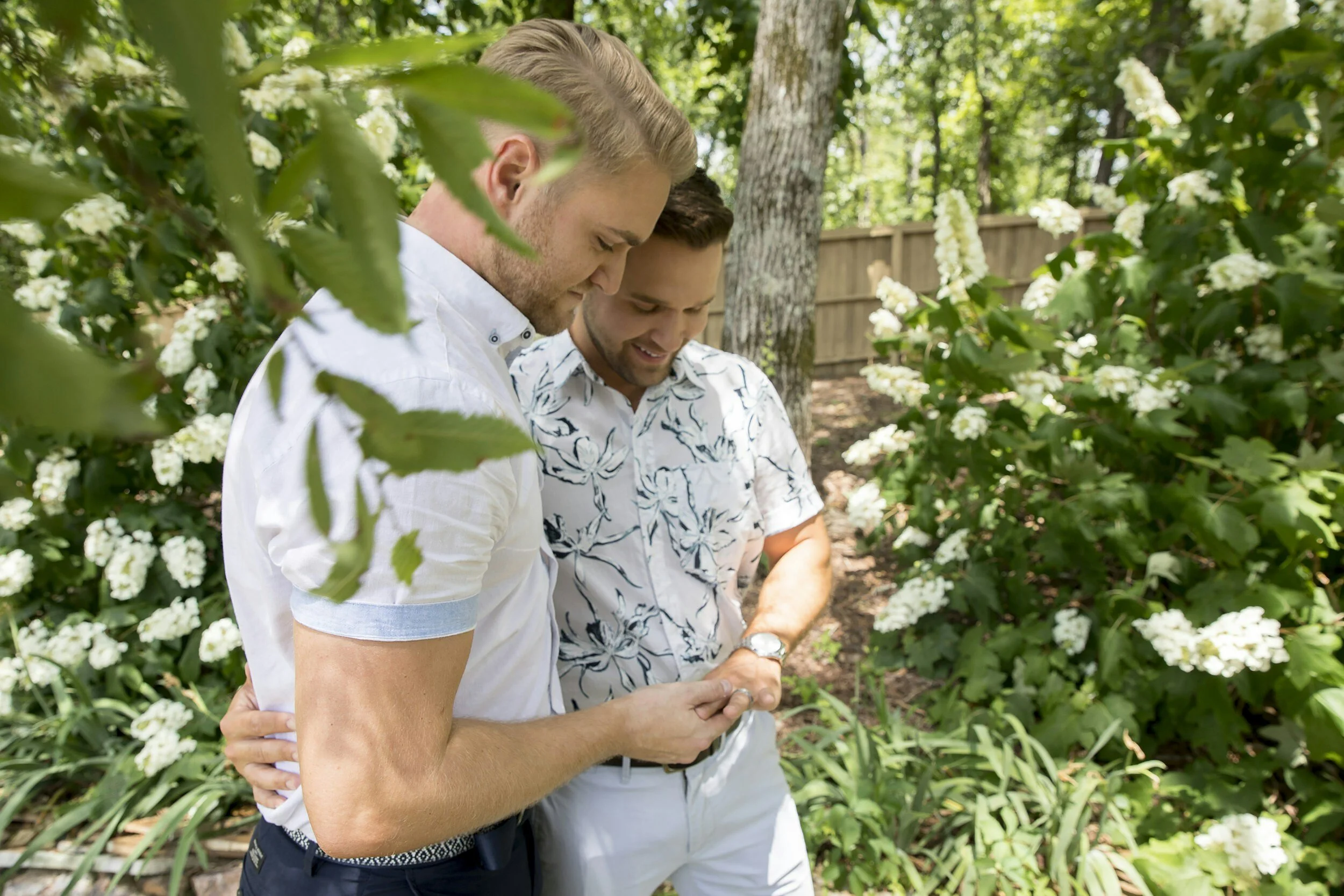
For LGBTQ+ couples, repairing emotional injuries can feel especially important when past experiences outside the relationship have included rejection or invalidation. Being able to express hurt and receive empathy helps repair trust and reinforces the belief that the relationship is a secure place to land.
Repair often includes acknowledging impact, taking responsibility when harm occurs, and remaining emotionally present during difficult conversations. These moments of repair strengthen emotional bonds and deepen resilience within the relationship.
Honoring Individual and Shared Experiences
Emotional safety also involves recognizing that each partner brings unique experiences related to identity, family history, and personal growth. Even within LGBTQ+ relationships, partners may have had very different journeys related to coming out, family acceptance, or community connection.
Creating space to understand these differences allows couples to develop empathy for one another’s experiences. It also helps prevent assumptions that can lead to misunderstanding or emotional distance.
When partners honor both shared and individual experiences, the relationship becomes a place where growth feels possible rather than threatening.
Strengthening Emotional Safety Through Support
Emotional safety is not something that happens all at once. It develops through repeated experiences of responsiveness, empathy, and care. Over time, these moments create a foundation that allows couples to navigate stress, conflict, and change with greater confidence. For LGBTQ+ couples, strengthening emotional safety may also include building supportive communities, finding affirming resources, and developing communication patterns that support openness and trust.
Recognizing areas where emotional safety feels strong, as well as areas that feel uncertain, can provide valuable insight as the relationship continues to grow.
Strengthen Emotional Safety Through Couples Therapy
Emotional safety is something that can be developed and strengthened with intention and support. Couples therapy offers a space where LGBTQ+ partners can explore emotional patterns, practice more responsive communication, and build deeper trust within the relationship. Working with a therapist trained in Emotionally Focused Therapy (EFT) can help couples better understand their emotional needs, repair moments of disconnection, and create a more secure and supportive bond. If you are looking for LGBTQ+-affirming couples therapy in Denver and want support in strengthening emotional safety within your relationship, reaching out to schedule a consultation can be a meaningful step toward deeper connection and lasting security.